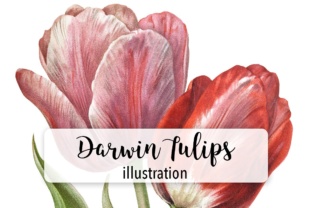
Darwin Tulips: A Designer's Practical Review
As someone who has spent years navigating the delicate balance between artistic vision and machine reality, I approach every new machine embroidery design with a mix of excitement and skepticism. The digital preview is one thing; seeing how that file translates into physical thread on fabric is an entirely different story. When I first opened the files for Darwin Tulips, my immediate goal was to determine if this Illustrations category piece could survive the rigors of a real-world craft business or if it would simply look good on a screen.
The first impression of Darwin Tulips is one of organic elegance. Unlike many floral designs that feel stiff or overly geometric, this set captures the natural curve and movement of the flower. For a designer looking to elevate their brand, the visual personality here is distinct. It feels less like a generic clip-art addition and more like a curated botanical study. However, beauty in a vector file does not guarantee success in stitching. Before committing this to any inventory, I needed to stress-test how the lines and shapes would behave under a needle.
From Digital File to Physical Reality
To truly understand the potential of Darwin Tulips, I visualized a specific project scenario: creating a limited-run collection of premium canvas tote bags for a local boutique. Tote bags are a staple for Etsy sellers and small shop owners, but they present unique challenges due to the weave of the fabric and the high visibility of the finished product. In this context, the design needs to hold up to scrutiny from all angles.
When mapping out the layout for the tote bag, the strength of Darwin Tulips became apparent. The stems and leaves offer excellent opportunities for running stitch outlines, which add a refined, hand-drawn quality without excessive bulk. The petals, conversely, seem well-suited for a dense fill stitch that provides depth. This combination allows for a rich texture that customers associate with high-quality handmade products. If I were selling these as personalized gifts, the intricate details would likely justify a higher price point, signaling to the buyer that care went into both the design selection and the execution.
I also considered how this design might perform on custom apparel, specifically a heavyweight sweatshirt. Sweatshirts are forgiving, but the nap of the fleece can sometimes swallow fine details. With Darwin Tulips, the boldness of the tulip heads suggests they would stand out even against a textured background, provided the right thread colors are chosen. A contrast of deep burgundy or navy against a cream sweatshirt would create a striking visual appeal that enhances the overall value of the garment.
Navigating Fabric and Hoop Challenges
While the design shows great promise, a professional review must address where caution is required. Not every embroidery project is suitable for every file. One area where Darwin Tulips requires careful handling is on thin or highly stretchy fabrics. The density of the fill stitches in the petals could cause puckering on lightweight cotton or jersey knit if the wrong stabilizer is used. For items like baby clothes or delicate scarves, I would recommend testing the design on scrap fabric first to ensure the tension settings prevent distortion.
Another critical consideration is the hoop size. While the individual tulips are manageable, the full arrangement might exceed the capacity of a small 4x4 hoop. Attempting to force a large composition into a small hoop often leads to registration errors and uneven stitching. For commercial embroidery runs, consistency is key. If you are producing multiple units, such as embroidered patches or apron logos, ensuring the entire design fits comfortably within your standard hoop will save time and reduce waste.
Dark fabrics also demand attention when using this design. The subtle gradients and line work in Darwin Tulips rely on color differentiation. On black or dark charcoal fabric, lighter threads might disappear or require significantly more layers to achieve opacity, increasing production time. Testing the design in black and white mockups before purchasing thread can help identify potential contrast issues early in the process.
Strategic Use for Business Growth
For creative entrepreneurs, the choice of design assets directly impacts brand consistency and customer trust. Darwin Tulips offers a sophisticated aesthetic that can differentiate a craft business from competitors relying on generic patterns. Whether used for holiday embroidery collections, wedding favors, or nursery decor, the timeless nature of the tulip motif ensures the products remain relevant beyond a single season.
However, the path from design to sale involves more than just stitching. As a reviewer, I always advise checking the licensing terms associated with any digital embroidery file. If you plan to sell the finished items, such as pillow covers or tea towels, you must confirm that the license permits commercial use. Similarly, if you intend to resell the file itself or include it in a bundle of design assets, explicit permission is usually required. Ignoring these details can lead to legal complications that threaten the viability of your small business.
Practical Notes for the Modern Maker
- Test First: Always run a test stitch on a scrap piece of the actual fabric you intend to use. This helps verify stitch density and prevents costly mistakes on expensive materials.
- Stabilizer Selection: Given the detail in the leaves and stems, a cutaway stabilizer may be necessary for knits, while tear-away might suffice for wovens. Do not skimp on support.
- Color Planning: Plan your thread colors to maximize contrast. Consider how the design looks in grayscale to ensure clarity across different fabric shades.
- Hoop Verification: Measure the bounding box of the embroidery file against your machine's capabilities. Adjust the scale if necessary, but avoid stretching the design beyond its intended proportions.
- Licensing Check: Review the terms of use carefully before listing items on platforms like Etsy or at craft fairs. Ensure you have the rights to sell the finished product.
In conclusion, Darwin Tulips represents a strong contender for designers seeking to add a touch of botanical sophistication to their portfolio. Its versatility allows it to shine on everything from baby embroidery projects to rugged tote bag designs. Yet, its success hinges on the maker's ability to adapt the design to the specific constraints of their materials and equipment. By approaching the project with a critical eye and a willingness to test, you can transform this digital illustration into a tangible asset that drives sales and builds a loyal customer base. The difference between a good design and a great product often lies in these practical details.