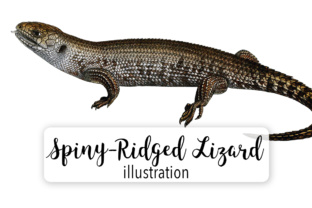
Spiny Ridged Lizard: A Designer's Embroidery Review
When I first pulled up the Spiny Ridged Lizard file on my design screen, I wasn't just looking at another animal motif. As someone who has spent years curating machine embroidery designs for small businesses and personal projects, I know that the difference between a good product and a bestseller often lies in the specific character of the illustration. This particular design falls squarely into the Illustrations category, but it carries a weight and texture that immediately suggests high-quality output. Before you download this embroidery file or commit to stitching it on your next batch of merchandise, let’s walk through exactly how this design translates from digital pixels to tangible thread.
First Impressions: Texture and Character
The defining feature of the Spiny Ridged Lizard is, naturally, the spines. In the world of digital art, spikes are easy; in the world of embroidery, they require precision. My initial assessment is that this design handles the jagged edges with a confidence that many generic files lack. The layout feels balanced, avoiding the common trap of being too top-heavy or awkwardly shaped for standard hoop sizes. It has a distinct visual personality—earthy, rugged, yet charming enough to appeal to a wide demographic.
If you are an Etsy seller or run a small shop product line focused on nature-inspired goods, this design fits right in. It doesn't scream "cartoon," nor does it feel overly technical. It strikes a middle ground that works beautifully for both whimsical nursery decor and edgier streetwear aesthetics. The way the ridges are defined suggests a mix of fill stitch and perhaps some strategic running stitch detailing, which will add depth once stitched. However, as with any intricate animal design, the success of the final piece depends heavily on how you approach the execution.
Real-World Application: From Tote Bags to Caps
Let’s talk about a real scenario. Imagine you are preparing a custom embroidered tote bag for a local craft fair. You want something that stands out against a canvas background. The Spiny Ridged Lizard is an excellent candidate here. The silhouette is bold enough to be recognized from a distance, ensuring that customers browsing your booth can instantly see the design. When placed on a natural-colored tote bag, the contrast of the lizard’s scales against the fabric creates a sophisticated, handmade look that elevates the perceived value of the item.
I also envision this working exceptionally well as a back-of-hoodie or sweatshirt embroidery. For custom apparel, especially heavier fabrics like fleece or cotton blends, the density of the lizard's body provides enough coverage to hide the backing without feeling heavy or stiff. If you are targeting parents looking for unique baby embroidery, scaling this down slightly for a onesie or bib could create a darling, prehistoric-themed gift. Just remember that smaller scales require careful attention to detail; the spines must remain sharp, not blobby.
For those creating embroidered patches, this design is a goldmine. The organic shape of the lizard allows for interesting borderless patch cuts, giving your products a modern, boutique feel. Whether you are selling these as standalone collectibles or sewing them onto denim jackets, the Spiny Ridged Lizard offers a level of detail that commands respect. It transforms a simple accessory into a statement piece.
Navigating Challenges: Fabric and Hoop Considerations
While the design is robust, it is not without its challenges. As a professional reviewer, I must advise caution when using this digital embroidery file on certain materials. The intricate details of the ridges mean that stitch density is critical. If you attempt this on thin, stretchy fabric like jersey knit without the proper stabilizer, the tension might pull the stitches, causing the delicate spikes to warp or disappear entirely.
Similarly, textured fabrics such as thick terry cloth or heavy wool can interfere with the clarity of the fine lines. The raised loops in the fabric might obscure the definition of the spines, making the lizard look muddy rather than crisp. Always test the design on scrap fabric first. Check how the thread colors interact with the base material. A dark background might require more fill to ensure the lizard pops, while a light background might need less density to prevent show-through.
Another area to watch is the hoop size. While the design looks great digitally, you must confirm that it fits comfortably within your machine's hoop without stretching the image. Distortion is the enemy of a professional finish. If you are planning to use this on curved surfaces like caps, be prepared to adjust the stabilizer strategy. The curve of a hat can cause the long, horizontal elements of the lizard to pucker if the backing isn't rigid enough.
Maximizing Visual Appeal and Commercial Value
The true power of the Spiny Ridged Lizard lies in its ability to enhance brand consistency and customer trust. When a buyer receives a finished product where the stitching is clean, the details are sharp, and the design feels intentional, they associate that quality with your brand. This design, when executed correctly, signals professionalism. It moves beyond a simple decoration to become a signature element of your craft business.
For holiday embroidery or seasonal collections, consider pairing this design with complementary motifs. Perhaps a cactus or desert flower arrangement? The lizard acts as a focal point that ties the theme together. In terms of personalized gifts, the uniqueness of the subject matter makes it a conversation starter. People love receiving items that aren't mass-produced clichés. This design offers that exclusivity.
Before you list this as a commercial embroidery asset or sell finished items, double-check your licensing. Ensure you have the rights to use the design assets for profit. Once cleared, the potential for revenue is significant. From printable mockups used in your marketing to the actual physical goods sold on your shelf, the Spiny Ridged Lizard is versatile enough to anchor a whole collection.
Practical Notes for the Professional Maker
To get the most out of this project, follow these practical steps:
- Test Stitching: Always run a test on scrap fabric to check thread color contrast and stitch density before committing to expensive materials.
- Stabilizer Selection: Use a tear-away or cut-away stabilizer depending on the fabric weight. For stretchy knits, a water-soluble topping might help keep the satin stitch edges smooth.
- Color Strategy: Experiment with variegated threads to mimic the natural coloring of a real lizard, adding a layer of realism to the Illustrations style.
- Mockup Verification: View the design in black and white mockups to ensure the value structure holds up without relying solely on color.
- Licensing Check: Confirm whether the license covers commercial use for physical goods versus digital resale.
In conclusion, the Spiny Ridged Lizard is a standout addition to any serious embroiderer's library. It balances artistic flair with functional design, making it suitable for everything from handmade products to large-scale apparel decorators. By respecting the nuances of stitch density, fabric choice, and stabilizer use, you can turn this digital file into a tangible masterpiece that delights customers and boosts your reputation as a skilled maker. Whether you are crafting a single personalized gift or stocking shelves for your online store, this design delivers the kind of quality that keeps people coming back for more.