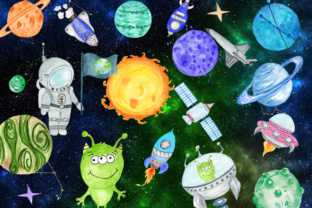
Planets Clipart: Space Illustrations for Blogs
As a digital publisher who has spent over a decade refining the visual language of content websites, I know that the difference between a casual blog and an authoritative publication often comes down to the quality of the graphic design asset chosen. When I first opened the file for Planets Clipart, my immediate reaction was one of curiosity mixed with professional scrutiny. In the world of editorial design, space-themed imagery can easily veer into the cheesy or overly childish territory. However, this specific collection of Illustrations strikes a surprisingly modern balance, offering a clean, artistic aesthetic that feels ready for high-end web design rather than just elementary school worksheets.
The mood created by these assets is distinctly educational yet whimsical. It avoids the heavy, realistic NASA-style photography in favor of stylized, colorful representations that feel approachable. This makes the Planets Clipart incredibly versatile for content niches ranging from science education and astronomy blogs to creative writing sites focusing on sci-fi themes, or even lifestyle blogs using space metaphors for growth and exploration. The visual weight is light enough not to overwhelm text but bold enough to anchor a layout. For a publisher, this means you gain a tool that supports reader trust through polish without sacrificing personality.
Integrating Planets Clipart into Real Publishing Workflows
Let's talk about how this asset actually functions within a real publishing workflow. Imagine you are preparing a series of posts for a "Future Trends" category or creating a digital guide on innovation. You need visuals that signal forward-thinking and vast possibilities. Planets Clipart serves as an excellent foundation for your featured images. Instead of relying on generic stock photos that every other site uses, these custom illustrations allow you to build a unique brand identity. I have used similar assets to create Pinterest pin graphics that stand out in crowded feeds because the distinct color palettes and shapes immediately catch the eye.
Beyond social media, these blog graphics excel in article headers and website banners. When designing a website header, clarity is key. These illustrations offer clear silhouettes and vibrant colors that remain recognizable even when scaled down. They work beautifully as editorial accents within long-form content, breaking up walls of text and guiding the reader's eye through the narrative. If you are building a digital product, such as an eBook cover or a downloadable worksheet for students, the playful nature of the planets adds a layer of engagement that plain text cannot achieve. They transform a simple PDF into a compelling digital download that users want to keep.
Boosting Content Performance with Visual Hierarchy
One of the most critical aspects of web design is establishing a strong visual hierarchy. A well-placed graphic tells the user where to look and what matters most. Planets Clipart excels here because the circular forms naturally draw attention. When placed strategically next to a headline or call-to-action button, they increase click-through potential. For affiliate marketing pages, where conversion is everything, having a cohesive set of design assets that reinforce the theme of your review can significantly improve reader retention. It signals that the content is curated and professionally presented, which directly impacts reader trust.
Furthermore, consistency is the backbone of small business branding. Using these illustrations across your newsletter headers, social media previews, and category thumbnails creates a unified experience. Whether you are sending a weekly digest or posting on Instagram, the recurring motif of stylized planets helps your audience instantly recognize your brand. This consistency extends to Canva template creation; if you are selling templates to other creators, including these elements adds immense value, making your creative design offerings more attractive in the marketplace.
Where Planets Clipart Shines Brightest
To get the most out of this asset, it is essential to understand its ideal environments. These illustrations perform exceptionally well as hero images for landing pages dedicated to learning, creativity, or travel. They are perfect for content upgrades like checklists or cheat sheets where a touch of whimsy encourages the user to engage. In newsletter graphics, they add a pop of color that prevents the email from feeling dry or corporate. Additionally, they are fantastic for printable design projects, such as children's activity books or classroom decorations, where the commercial license allows you to use them freely in paid products.
For online educators, these assets are gold. Creating a digital guide on the solar system or a lesson plan on physics becomes much more engaging when supported by high-quality Illustrations. They also serve as excellent lead magnets; a visually appealing freebie featuring these planets is far more likely to convert a visitor into an email subscriber than a plain text document. Even in social media graphics, where attention spans are short, the bright colors and familiar shapes of the planets stop the scroll effectively.
Navigating Limitations and Best Practices
While Planets Clipart is a powerful tool, it requires careful application. It should be used cautiously in small mobile thumbnails where fine details might get lost. If the illustration contains intricate textures or thin lines, ensure they remain visible at 50x50 pixels. Avoid using them in text-heavy blog images where the complexity of the art might compete with the readability of the overlay text. Low-contrast backgrounds can also mute the vibrancy of these designs, so always test them against white, dark, and colored backgrounds to ensure they pop.
Furthermore, while they are perfect for creative and educational niches, they may feel out of place in serious professional sectors like finance, law, or corporate consulting. In those contexts, the playful style could undermine the gravitas required. Always consider your audience's expectations. If your site relies on a very minimal visual system, adding too many decorative elements can clutter the interface. The goal is enhancement, not distraction.
Practical Publisher Notes for Implementation
Before committing to any graphic design asset, I recommend a rigorous testing phase. First, preview the Planets Clipart inside your actual blog layout. Does it clash with your existing color scheme? Test it on both desktop and mobile screens to see how it scales. Check the contrast and readability when paired with different typography. Try placing the planets beside a serif font for a classic editorial look, a sans-serif font for a modern tech feel, or even a script font for a whimsical touch. Seeing how the art interacts with your typeface is crucial for maintaining editorial design standards.
Performance is another non-negotiable factor. Large image files slow down your site, hurting SEO and user experience. Ensure you compress the images properly before uploading. Review the file size to guarantee fast loading times without sacrificing quality. Finally, and perhaps most importantly, confirm the commercial license terms. As a digital publisher, you must be certain you have the rights to use these assets on monetized websites, affiliate pages, or paid content products. Never assume; always verify the licensing agreement to protect your business.
In conclusion, Planets Clipart offers a refreshing take on space-themed visuals that elevates content marketing efforts. By integrating these Illustrations thoughtfully, you can create a more engaging, trustworthy, and visually cohesive digital presence. Whether you are crafting a digital guide, designing a media kit, or simply sprucing up your blog posts, these assets provide the creative spark needed to make your content truly shine in a crowded digital landscape.