Rose Jonkheer: Premium Illustrations for Publishers
As a digital publisher who has spent years refining the visual language of content websites, I know that the difference between a casual blog and an authoritative brand often comes down to one thing: the quality of your graphic design assets. When I first encountered Rose Jonkheer, I was immediately struck by its potential to elevate editorial design beyond the standard stock photo aesthetic. In the crowded landscape of online publishing, where readers scan dozens of articles in minutes, your visuals must do heavy lifting. They need to establish trust, define your niche, and drive clicks without screaming for attention.
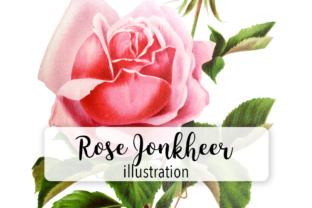
Rose Jonkheer offers a distinct mood that feels both timeless and refreshingly modern. Unlike generic clip art or overused photography, these illustrations bring a layer of artistic sophistication that signals high-quality content before a single word is read. The style leans into a lifestyle-focused, yet professional tone, making it incredibly versatile for niches ranging from wellness and home decor to creative entrepreneurship and digital education. It strikes a delicate balance between playful and polished, creating a visual hierarchy that guides the reader's eye naturally through your layout.
Elevating Your Editorial Workflow with Rose Jonkheer
Integrating Rose Jonkheer into my publishing workflow has transformed how I approach featured images and social media graphics. Imagine you are preparing a new series of articles on sustainable living or personal growth. You need visuals that resonate emotionally but also look cohesive across your website header, Pinterest pins, and newsletter banners. This is where Rose Jonkheer shines. The asset provides a consistent visual identity that ties disparate pieces of content together, reinforcing your brand identity at every touchpoint.
For bloggers and content creators, the ability to use a single design asset across multiple platforms is invaluable. I have used Rose Jonkheer to create stunning article thumbnails that stand out in search results and category pages. The intricate details of the illustrations hold up well even when scaled down, ensuring that your visual hierarchy remains intact. Whether you are designing a digital guide, a lead magnet, or a downloadable printable design, the versatility of these illustrations allows you to maintain a premium look without needing custom artwork for every single project.
Real-World Applications for Content Marketers
The practical applications for Rose Jonkheer extend far beyond simple decoration. As a designer, I see this as a core component of a robust content marketing strategy. Here is how I utilize it in real-world scenarios:
- Blog Featured Images: Replacing generic photos with Rose Jonkheer creates a unique aesthetic that reduces bounce rates by piquing curiosity.
- Pinterest Graphics: The detailed nature of the illustrations performs exceptionally well on Pinterest, driving higher click-through rates to affiliate marketing pages and product reviews.
- Newsletter Headers: Using these illustrations in email campaigns increases open rates and makes your digital download links more enticing.
- Digital Products: For online educators selling courses or eBooks, Rose Jonkheer serves as an excellent cover design element, elevating the perceived value of the digital product.
- Social Media Previews: Consistent use of these assets ensures your Instagram and Facebook posts feel like part of a curated magazine rather than a random feed.
When you consider the time saved by having a reliable set of design assets, the return on investment becomes clear. Instead of hunting for the perfect image for every post, you can focus on writing compelling copy, knowing your visual presentation is already handled by a professional-grade illustration.
Optimizing Visual Hierarchy and Reader Trust
One of the most critical aspects of web design is establishing a strong visual hierarchy. Rose Jonkheer excels in this area because the compositions are balanced and intentional. When placed alongside serif fonts, sans-serif headlines, or even elegant script typography, the illustrations create a harmonious relationship that enhances readability. This is crucial for long-form content where you want to keep the reader engaged without overwhelming them.
Furthermore, the quality of your visuals directly impacts reader trust. In the age of information overload, users subconsciously judge the credibility of a website based on its design. A site filled with low-resolution or mismatched graphics feels amateurish. By incorporating Rose Jonkheer, you signal to your audience that you care about detail and quality. This perception extends to your products and services, whether you are promoting an affiliate offer or selling your own small business branding packages.
Strategic Placement and Design Considerations
While Rose Jonkheer is incredibly versatile, it is important to understand where it works best and where caution is needed. These illustrations thrive in hero images, article headers, and as editorial accents within text-heavy layouts. They add a necessary break in the reading flow, making complex topics feel more approachable. However, they should be used carefully in very minimal visual systems or corporate environments that demand stark simplicity. If your brand relies on a strictly monochromatic and utilitarian look, the decorative elements of Rose Jonkheer might clash unless styled intentionally.
Another consideration is mobile responsiveness. Always test how the asset looks on smaller screens. While the illustrations are detailed, ensure they do not become cluttered when viewed as a thumbnail on a smartphone. Previewing the design inside a real blog layout is essential. Check the contrast against your background colors and ensure that any text overlays remain legible. I recommend testing the asset in black and white to verify that the line work holds up, which is vital for printables or grayscale newsletters.
Technical Notes for Digital Publishers
From a technical standpoint, managing file size is paramount for web performance. Large, uncompressed images can slow down your site, negatively affecting SEO and user experience. Before uploading Rose Jonkheer to your CMS, ensure you compress the files properly without sacrificing too much quality. This balance is key for maintaining fast load times while delivering high-fidelity graphics.
Licensing is another non-negotiable factor. As a publisher, you must confirm the commercial license terms before using these assets on monetized websites, affiliate pages, or paid content products. Most reputable creative marketplaces offer clear guidelines, but always double-check if you plan to resell the designs as part of a Canva template or a digital guide. Ensuring you have the right to use the asset commercially protects your business and maintains your professional reputation.
In conclusion, Rose Jonkheer represents more than just a collection of pretty pictures; it is a strategic tool for modern content creators. By integrating these illustrations into your editorial design, you enhance your brand identity, improve your visual hierarchy, and create a more engaging experience for your audience. Whether you are a solo blogger, a digital marketer, or a small business owner, investing in high-quality design assets like Rose Jonkheer is a step toward building a website that not only looks beautiful but also performs effectively in the competitive digital marketplace.