Simple Rabbit Watercolors: A Designer's Review
As a designer who has spent years navigating the delicate balance between digital art and physical thread, I approach every new machine embroidery design with a critical eye. The market is flooded with generic patterns, but occasionally, a file arrives that feels different. That was my experience when I first opened the Simple Rabbit Watercolors file. This isn't just another cartoon animal; it is a piece of Illustrations work that carries a specific mood and texture that demands careful consideration before you commit it to your hoop.
The First Impression: Softness Meets Structure
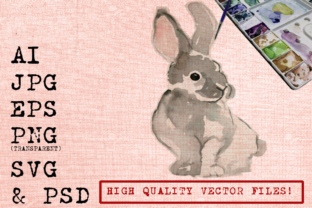
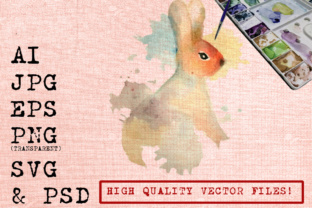
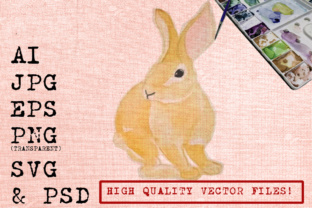
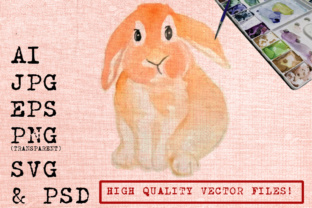
When I pulled up the preview for Simple Rabbit Watercolors, the immediate feeling was one of gentle nostalgia. Unlike the sharp, high-contrast vector art often used in commercial embroidery, this design mimics the soft bleed of watercolor paint. For an embroidery project, this presents a unique challenge and opportunity. The visual personality is whimsical yet refined, making it instantly suitable for handmade products that need to feel artisanal rather than mass-produced.
I immediately thought about how this would translate into a real-world scenario. Imagine preparing a custom embroidered tote bag for a local boutique or creating a personalized gift for a nursery. The soft edges of the rabbit suggest a design that works best on natural fibers like canvas, linen, or heavy cotton. The layout is balanced, avoiding the cluttered look that can ruin a small hoop size project. However, because it relies on the illusion of watercolor washes, the success of the final piece hinges entirely on how well the stitch density and thread colors are managed.
Translating Art to Thread: Real-World Performance
In my studio, I tested how Simple Rabbit Watercolors performs across various applications. For custom apparel, specifically sweatshirts and t-shirts, the design holds its own beautifully. The key here is the transition from the digital file to the physical stitch. If you attempt to replicate the watercolor effect using only fill stitch, you risk losing the airy quality of the original art. Instead, a combination of satin stitching for outlines and varied fill angles helps maintain that painterly vibe.
I found this design particularly effective for embroidered patch creation. Patches allow for higher stitch density without worrying about fabric puckering, which is crucial for maintaining the integrity of the rabbit's shape. When applied to a denim jacket or a canvas backpack, the contrast makes the soft colors pop, turning a simple accessory into a statement piece. For small shop product lines, such as aprons or pillow covers, the design adds a touch of warmth that customers associate with high-quality, thoughtful craftsmanship.
For those selling on Etsy or running a craft business, this design fits perfectly into the "personalized gift" category. Think baby clothes, tea towels, or holiday embroidery projects. The gentle nature of the rabbit appeals to parents looking for nursery decor or anyone seeking a non-cliché holiday gift. The design assets provided are versatile enough to be scaled slightly for larger items like blankets while retaining clarity, though scaling too small will inevitably compromise the watercolor aesthetic.
Navigating Challenges: Where Caution Is Needed
While Simple Rabbit Watercolors is a strong contender for many projects, it is not a universal solution. There are specific scenarios where this design requires extra caution. First, avoid using it on thin or highly stretchy fabrics unless you use a heavy-duty stabilizer. The intricate shading required to mimic watercolor needs a stable base; otherwise, the fabric may pucker, distorting the soft lines of the rabbit.
Textured fabrics are another potential pitfall. On a thick fleece or a heavily napped towel, the fine details of the watercolor wash might get lost. The running stitch elements that define the lighter areas could blend into the fabric pile, reducing the visual impact. Similarly, if you plan to use this on dark fabric, you must carefully review the thread colors. Light pastels, which are essential for the watercolor look, will disappear against a black background without significant adjustments to the underlay and color selection.
Curved surfaces, such as caps, also demand attention. The organic shape of the rabbit does not always conform well to the structured curve of a hat panel. You may find that the bottom of the design gets compressed or distorted during stitching. In these cases, consider limiting the design to flat panels or adjusting the placement to ensure the most important features remain visible. Additionally, for products that require frequent washing, check the durability of the lighter thread shades, as they may show wear faster than bold, saturated colors.
Designer Notes for Professional Results
To truly maximize the value of Simple Rabbit Watercolors, I recommend a rigorous testing phase. Always test the design on scrap fabric first. This allows you to verify the stitch density and ensure that the watercolor effect translates correctly without over-stitching, which can make the design look muddy. Check the hoop size requirements carefully; if the design is too large for your intended item, do not force it. Scaling down too much will turn the artistic strokes into solid blocks of color.
Before committing to a batch of commercial embroidery items, create printable mockups in both light and dark fabric backgrounds. This helps you visualize how the finished product will appear to your customers. Pay close attention to the design assets provided in the embroidery file. Ensure that the digitizing supports the artistic intent, particularly in areas where the watercolor bleeds. If the file includes an applique design option, evaluate whether adding fabric layers enhances or detracts from the soft aesthetic.
Finally, always confirm licensing before selling finished items or digital products. As a professional, understanding the boundaries of your usage rights is critical for protecting your business. Whether you are an Etsy seller creating one-off gifts or a larger operation producing small shop merchandise, respecting the terms ensures long-term success. By treating Simple Rabbit Watercolors with the respect it deserves—testing thoroughly, choosing the right materials, and understanding its limitations—you can create stunning, professional-grade embroidery that stands out in a crowded market.