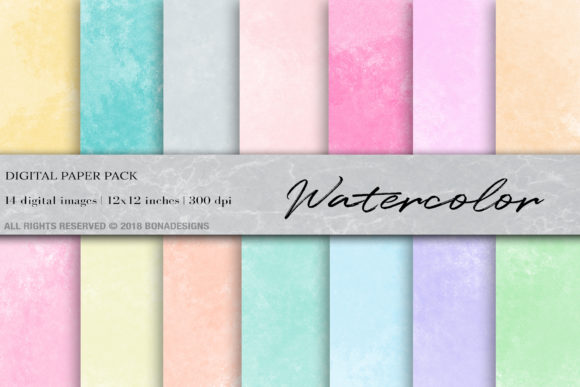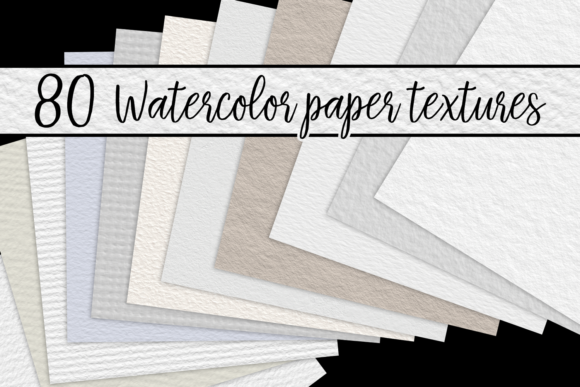
Watercolor Paper Textures for Crafters
I recently opened my design studio to prepare a new seasonal collection for my Etsy shop, focusing on custom gift tags and sublimation mugs. The goal was to create a cohesive look that felt organic, premium, and distinctly handmade. After scrolling through countless digital assets, I landed on Watercolor Paper Textures. As someone who has spent years building a small business around crafting, I know that the difference between a generic product and a bestseller often lies in the background details. This review is not just about the file specs; it is about how these textures translate into real-world products like tote bags, stickers, and printables.
First Impressions: Setting the Mood for Your Brand
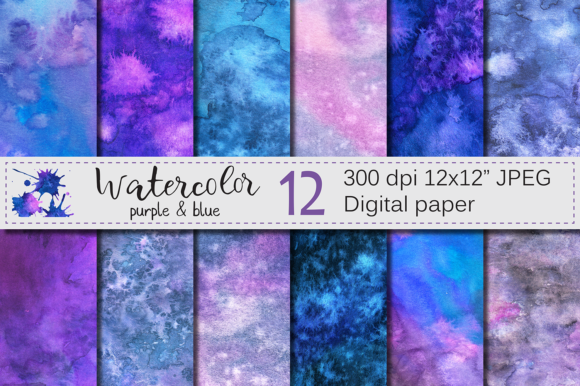
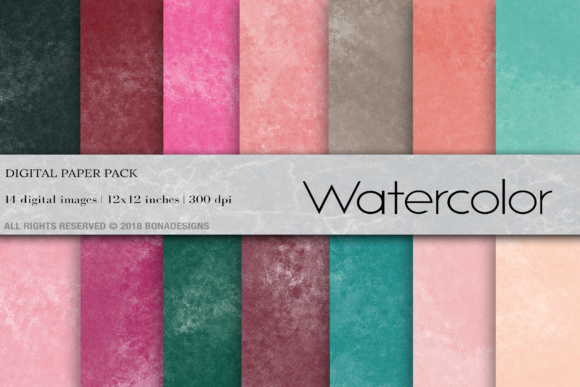
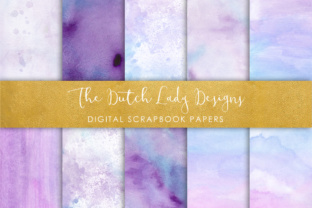
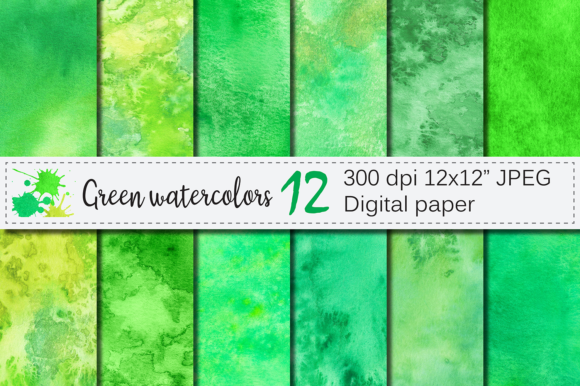
When I first downloaded the Watercolor Paper Textures, the visual impact was immediate. Unlike flat, solid colors that can feel sterile or overly digital, these textures carry a sense of depth and history. They evoke a cozy, artistic atmosphere that resonates deeply with customers looking for unique, boutique items. Whether you are designing for a rustic wedding, a feminine nursery theme, or a bold statement piece for a local craft fair, the mood these files set is one of authenticity.
The aesthetic leans heavily towards an elegant yet approachable style. It feels less like a mass-produced graphic design asset and more like a scanned element from a high-end art journal. For a handmade seller, this is crucial. Your buyers are paying for the story behind the item, and using high-quality textures helps tell that story before they even touch the product. These textures suggest a level of care and attention to detail that elevates your entire brand perception.
Integrating Textures into Real Crafting Workflows
In my daily workflow, I need assets that are versatile enough to handle everything from vinyl cutting to large-format printing. Here is how I plan to utilize Watercolor Paper Textures across different mediums:
- Cricut and Silhouette Projects: While textures are often subtle, I can use them as background layers for intricate sticker designs. By placing a simple SVG cutout over a watercolor texture, the final sticker gains a dimensional quality that plain vinyl cannot achieve.
- Sublimation Design: This is where the asset truly shines. When creating mug designs or tumbler wraps, a solid color background can sometimes look cheap under heat press conditions. Using these textures adds richness to the sublimation ink, making the final product pop with a professional finish.
- Printable Wall Art and Planner Stickers: For my digital product line, these textures serve as the perfect base for planner pages and wall art. They provide a canvas that makes handwritten fonts and script elements stand out without competing for attention.
- Handmade Packaging: Small business branding extends to how your product arrives. I intend to use these textures on custom tissue paper and thank-you cards to create an unboxing experience that feels luxurious and curated.
Where These Assets Excel in Product Creation
After testing the files in my design software, it became clear that Watercolor Paper Textures work best in specific scenarios. They are ideal for large cut files where the texture can be appreciated at scale. In clean printable layouts, such as greeting cards or invitations, the subtle grain adds sophistication without cluttering the design.
They are also fantastic for seasonal craft bundles. If you are selling a "Spring Collection" or "Holiday Gift Set," having a consistent texture across all items creates a unified look that encourages customers to buy multiple pieces. Furthermore, when creating product mockups for your online store, these textures make your images look more realistic and appealing than standard white backgrounds. They bridge the gap between a digital file and a tangible, high-quality item.
Technical Considerations and Limitations
While I am enthusiastic about these textures, experienced crafters know that every asset has its limits. You must use Watercolor Paper Textures carefully in certain situations. Avoid using them for very small cutting details or thin lines, as the complexity of the texture might interfere with the weeding process in vinyl projects. If you are creating small sticker sizes, ensure the texture does not overwhelm the main focal point.
Crowded compositions can also become muddy if the texture is too busy. Similarly, low-contrast colors paired with a heavy texture may result in a design that lacks definition. For layered vinyl projects, test the adhesion and visibility, as complex patterns can sometimes make alignment difficult. Always prioritize designs where customers need clean, readable shapes over decorative flair.
Practical Notes for the Handmade Business Owner
Before you commit these textures to a customer order or a batch production run, follow these practical steps to ensure success:
- Test the File First: Never skip the test print. Check if the PNG transparency is clean and if the resolution holds up when resized for different products like t-shirts or tote bags.
- Verify Commercial Licensing: Confirm that the commercial license covers your intended use, whether it is for print-on-demand services, Etsy products, or physical goods sold at a craft fair.
- Color Matching: Test how the texture looks on both white and dark products. Sublimation behaves differently on light versus dark substrates, so previewing is essential.
- Font Pairing: These textures pair beautifully with serif fonts for an elegant look, sans serif fonts for a modern twist, or script and handwritten fonts for a personal touch.
- Simplify the Layout: If the design feels too busy, simplify the layout. Let the texture breathe rather than covering the entire surface area.
By treating Watercolor Paper Textures as a strategic tool rather than just a decorative clipart, you can significantly enhance the value of your handmade business. Whether you are a hobby maker or a creative entrepreneur running a full-scale operation, the right design assets can transform a simple idea into a profitable, beautiful reality. These textures offer the perfect blend of artistic charm and technical reliability needed for today's competitive creative marketplace.