Wedding Flowers Clipart: A Designer's Stitch Review
I recently pulled the Wedding Flowers Clipart into my workspace to see if it holds up under the scrutiny of a real commercial project. As someone who has spent years navigating the gap between digital art and physical thread, I know that a beautiful illustration on a screen does not always translate seamlessly into a stitched masterpiece. This specific design falls under the broad category of Illustrations, but its true value lies in how it performs as a machine embroidery design when applied to actual products.
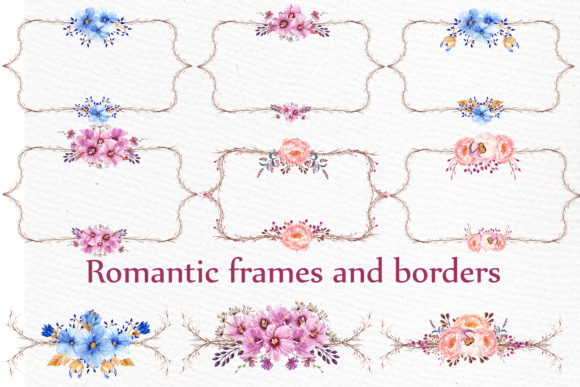
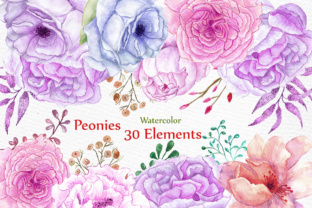
The first impression is one of delicate elegance. The floral arrangement feels romantic and timeless, which is exactly what you want for wedding-themed items. However, before I commit this to a client order or an Etsy listing, I need to understand its behavior on fabric. Does the line work hold up? Is the detail too fine for standard hoops? Let's walk through a real scenario where I would use this asset.
Testing the Design on a Custom Tote Bag
Imagine a small shop product: a high-quality canvas tote bag meant for bridesmaids or wedding party gifts. The goal is to create a personalized gift that feels premium, not cheap. I loaded the Wedding Flowers Clipart into my digitizing software to visualize the stitch paths. The layout suggests a balanced composition that would look stunning centered on a large tote bag design.
When converting this illustration into an embroidery file, the key challenge is maintaining the flow of the petals without creating excessive jump stitches. If the design relies heavily on thin lines, it might require a satin stitch column that could pucker on thick canvas. In this case, the visual personality of the flowers seems robust enough to handle a mix of fill stitch for the larger blooms and satin stitch for the stems and leaves. This combination usually results in a finished product that catches the light beautifully, adding significant value to the handmade item.
For a craft business owner, this versatility is crucial. You can use the same digital embroidery file to decorate sweatshirt embroidery, aprons, or even pillow covers. The mood it creates is soft and inviting, making it perfect for nursery decor or holiday gifts beyond just weddings. It bridges the gap between a generic template and a bespoke creation.
Navigating Fabric Textures and Hoop Sizes
While the design looks promising, practical application requires caution regarding fabric texture and hoop size. If you attempt to stitch this Wedding Flowers Clipart on a stretchy fabric like jersey knit for a baby embroidery project, you must be vigilant about stabilizer choice. Without a proper cut-away stabilizer, the tension from the fill stitch could distort the flower shapes, ruining the professional look of your custom apparel.
Similarly, consider the scale. If you are working with a small hoop size, such as a 4x4 inch frame, some of the intricate details in the petals might get lost. Tiny lettering or extremely fine lines within the illustration often fail to register clearly when stitched at a reduced scale. In those cases, it is better to simplify the design or choose a larger hoop to preserve the integrity of the artwork. Always test the design on scrap fabric first to ensure the stitch density is appropriate for your chosen material.
Dark fabrics present another hurdle. The contrast of thread colors becomes critical here. On a black sweatshirt, white or metallic threads will pop, but on a navy blue background, you might need to adjust the palette to ensure visibility. I recommend testing it in black and white mockups before purchasing expensive thread cones. This step saves time and prevents wasted materials on a failed run.
Commercial Viability and Brand Consistency
For the Etsy seller or small shop product creator, consistency is the backbone of brand trust. Using a cohesive set of design assets like this Wedding Flowers Clipart helps establish a recognizable style across your inventory. Whether you are selling an embroidered patch, a kitchen towel, or a personalized blanket, the quality of the stitching reflects directly on your reputation.
However, before you list these items for sale, you must confirm licensing. Not all clipart is cleared for commercial embroidery projects. Ensure you have the right to sell finished products made from this digital file. If you plan to offer the embroidery file itself as a digital product, double-check the terms of service. Selling unauthorized files can lead to account suspensions and legal issues, which no creative entrepreneur wants to face.
Visual appeal drives buyer engagement. A well-executed floral motif can turn a simple tea towel into a coveted holiday gift. Customers looking for handmade presentation expect precision. They want to see that the running stitch outlines are clean and the fill stitch areas are dense enough to hide the backing but not so heavy that they crack the fabric after washing.
Practical Notes for the Embroidery Designer
- Check Thread Colors: Verify that the color palette works on both light and dark fabric backgrounds before starting production.
- Inspect Small Details: Zoom in on the digital preview to ensure no tiny elements will vanish during the stitching process.
- Use Proper Stabilizer: Match the stabilizer type to the fabric weight to prevent puckering and maintain shape.
- Review Stitch Density: Adjust density settings if the design appears too loose or too tight on your test swatch.
- Confirm Licensing: Always verify commercial rights before selling finished goods or the digital file itself.
- Test on Scrap Fabric: Never skip the test run; it reveals issues with hooping, tension, and thread breaks.
Final Thoughts on Project Suitability
The Wedding Flowers Clipart offers a strong foundation for a variety of embroidery projects, provided you approach it with technical care. It excels in applications where a touch of romance and sophistication is needed, such as bridal party gifts, boutique branding, or high-end home decor. Its potential as an applique design also exists, though that would require additional digitizing work to separate the layers effectively.
As a reviewer, I find that designs like this succeed when the maker understands the limitations of their equipment and materials. By respecting the relationship between the digital illustration and the physical thread, you can create a finished product that delights customers and strengthens your craft business. Whether you are decorating a cap, a baby onesie, or a luxury throw pillow, the attention to detail in your execution will determine the success of the project.
Ultimately, this design asset is a tool. Like any good tool, its effectiveness depends on the skill of the user. With careful planning, the right stabilizer, and a keen eye for thread contrast, this floral motif can become a signature element in your portfolio of custom apparel and handmade treasures.