Yellow Wallflower Illustrations Review
As a digital product creator who has navigated the competitive waters of Etsy, Creative Fabrica, and Shopify for years, I approach every new graphic design asset with a critical eye. The market is saturated with generic clipart, so finding a piece that offers genuine commercial value requires a deep dive into its visual personality and practical application. Recently, I evaluated an asset titled Yellow Wallflower, and my goal was to determine if it could serve as a cornerstone for a new seasonal collection or a standalone digital download. This review breaks down how this specific illustration performs in real-world selling scenarios, from print-on-demand merchandise to intricate Cricut projects.
First Impressions and Visual Personality
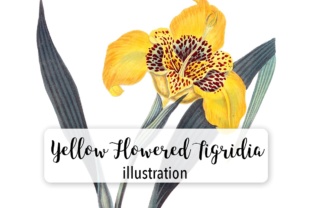
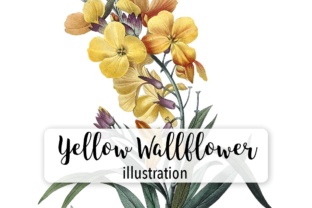
Upon opening the file, the immediate impression of Yellow Wallflower is one of cheerful resilience. Unlike the bold, aggressive yellows often found in modern geometric designs, this illustration carries a softer, more organic warmth. It feels distinctly handmade yet polished enough for professional branding. For a small business owner targeting a niche audience—perhaps those interested in cottagecore aesthetics, spring-themed decor, or botanical nursery art—this asset hits the right emotional notes. It avoids feeling overly trendy, which suggests it has longevity beyond a single season.
The mood is playful but not childish, making it versatile for both feminine brand identities and neutral home goods. When considering the visual hierarchy, the yellow tones pop effectively against white backgrounds, which is crucial for creating high-contrast thumbnails on creative marketplaces. However, the delicate details suggest it may need careful handling when scaled down. As a seller, I see this as a premium-looking illustration that elevates a simple listing into something that feels curated and intentional.
Real-World Product Applications
The true test of any digital product is its versatility across different mediums. I immediately began brainstorming how Yellow Wallflower could be integrated into a diverse range of sellable items. For sublimation enthusiasts, this design translates beautifully onto mugs, tumblers, and tote bags. The floral nature of the wallflower allows it to wrap around cylindrical objects without losing its charm, making it an excellent candidate for mug design templates.
In the realm of printable wall art, the illustration works well as a focal point for nursery prints or botanical posters. By pairing it with a clean sans serif font or a flowing script font, you can create instant greeting cards or invitation templates that feel personal and bespoke. For crafters using cutting machines, the SVG design potential is significant. If the file includes clean vector paths, it becomes a staple for Cricut projects, allowing users to cut out individual petals or the entire bloom for scrapbooking kits and planner stickers.
Beyond physical products, this asset shines in digital formats. Canva template sellers can use Yellow Wallflower as a decorative element in social media graphics, blog headers, or promotional visuals. Its distinct color palette helps establish a cohesive brand identity within a design bundle, ensuring that all elements feel connected. Whether used as a t-shirt design on a print-on-demand platform or as part of a larger clipart bundle, the illustration holds up well in various contexts.
Optimizing Product Presentation and Mockups
A beautiful design is only as good as its presentation. To maximize click-through potential on platforms like Etsy, I tested Yellow Wallflower in several product mockup scenarios. The bright yellow hue naturally draws the eye, making it an effective tool for thumbnail appeal. When placed on a light gray or cream background in a mockup, the design stands out without appearing jarring. This visual storytelling capability is essential for building customer trust; buyers need to visualize the final product before purchasing a digital download.
I also considered how this asset contributes to perceived value. A single, high-quality illustration can anchor a themed collection, such as a "Spring Garden" design bundle. By grouping Yellow Wallflower with complementary colors and related motifs, you create a sense of abundance and variety. For small business branding, using this graphic consistently across packaging design and social media promos reinforces recognition. The key is to ensure the illustration remains the hero of the image, supported by clear typography and uncluttered layouts.
Critical Considerations and Limitations
While Yellow Wallflower is a strong contender for many projects, there are areas where caution is required. One potential pitfall lies in tiny sticker designs. The intricate details of the flower might get lost if the asset is scaled too small for mini-stickers or detailed embroidery. In these cases, simplifying the design or using a simplified version is advisable to maintain clarity.
Another consideration is the background contrast. While the yellow pops on white, it can struggle against dark backgrounds if the shading isn't robust enough. For text-heavy templates, placing this illustration behind large blocks of text could compromise readability, disrupting the visual hierarchy. Additionally, for Cricut or Silhouette projects requiring precise cutting lines, it is vital to inspect the SVG quality. If the file contains complex gradients or non-vector elements, the cut quality may suffer, leading to frustrated customers. Always verify PNG transparency and check how the design looks on low-resolution screens to ensure it doesn't appear pixelated in preview images.
Practical Seller Notes for Success
To ensure your listings succeed, follow these practical steps when integrating Yellow Wallflower into your shop. First, always test the design on real mockups before publishing. See how it looks on a physical t-shirt, a ceramic mug, and a framed print. Check the color accuracy, especially if you plan to offer print-on-demand services where color matching is critical. Verify the file resolution to ensure it meets the requirements of major creative marketplaces.
Organization is key for customer satisfaction. Clearly label your files, separating the PNG design layers from the SVG vectors. If you are selling this as a commercial design asset, confirm the licensing terms explicitly state that buyers can use it for sellable products. Pair the illustration with a variety of font styles—serif, sans serif, script, handwritten, and display—to show customers how flexible the asset is. Finally, consider creating a design bundle that includes this illustration alongside other complementary assets to increase the average order value.
In conclusion, Yellow Wallflower represents a solid opportunity for digital product creators looking to expand their catalog with a versatile, emotionally resonant illustration. By understanding its strengths and limitations, you can leverage this graphic design asset to create professional, high-value products that resonate with your target audience. Whether you are a seasoned seller or just starting your handmade business journey, thoughtful testing and strategic application will make all the difference in turning a single illustration into a profitable collection.